
9 Things to consider when designing an immersive space or attraction with LED display technology
Things to consider when designing an immersive space with LED display technology
Getting an immersive LED installation right is about far more than just choosing the cheapest option, tightest pixel pitch or highest spec screen. The decisions you make at the design stage can make or break the long-term performance, running costs and visitor experience. Here are nine practical things worth thinking about early on.
Don’t pay for pixels you don’t need
Chasing the tightest pixel pitch might feel like the safe option, but it often adds significant hidden costs without delivering noticeable improvements in real-world viewing. More pixels mean higher power consumption, more maintenance, and the need for higher-resolution content that pushes up production expenses. File sizes get bigger, transfers slow down, and you’ll need more powerful playback hardware. The result? A more expensive project that doesn’t always look any better to the audience.
LED screen contrast is key
If we’re being honest, contrast ratios are largely a made-up marketing number. They’ve been commandeered by sales teams as another spec to brag about. In reality, wider pixel pitches often deliver better real-world contrast and, as a result, superior image quality. Never take a manufacturer’s word for it though. Always ask to see physical samples, run proper shoot-outs, and judge the technology with your own eyes before committing.
Greyscale is as important as colour performance
The ability to transition smoothly from deep blacks through to bright whites has a massive impact on overall image quality. If you want truly exceptional visuals, this spec should sit right at the top of your list. Just be aware that achieving excellent greyscale performance often means investing in better ICs and more advanced processing, which can increase costs.
Pixel durability should be near the top of your list
In busy immersive spaces, pixels take a beating. COB technology builds protection straight into the modules, but it can’t be repaired on site. GOB adds a protective layer that works on both flat and flexible panels and can help with heat dissipation, though it increases upfront cost. Over a 10-year lifespan, that extra investment often pays for itself by reducing damage, repair bills and downtime. It’s worth exploring seriously.
Heat management matters more than most people realise
Cheap components and badly optimised designs generate excess heat. That not only shortens the life of the screen but can also force you to install extra air conditioning just to keep the space comfortable. A well-engineered LED display should run noticeably cool to the touch. Getting the thermal performance right from day one keeps running costs down and the environment more pleasant for visitors.
Content is king – plan it early
Don’t treat content as an afterthought. Let the story and viewing distances drive your decisions on pixel pitch, processing power and playback hardware. Work with a content provider who has direct access to similar screens so they can test and refine material as the project develops. This approach avoids nasty surprises and delivers a far more impactful result.
Wasted power when the doors are closed
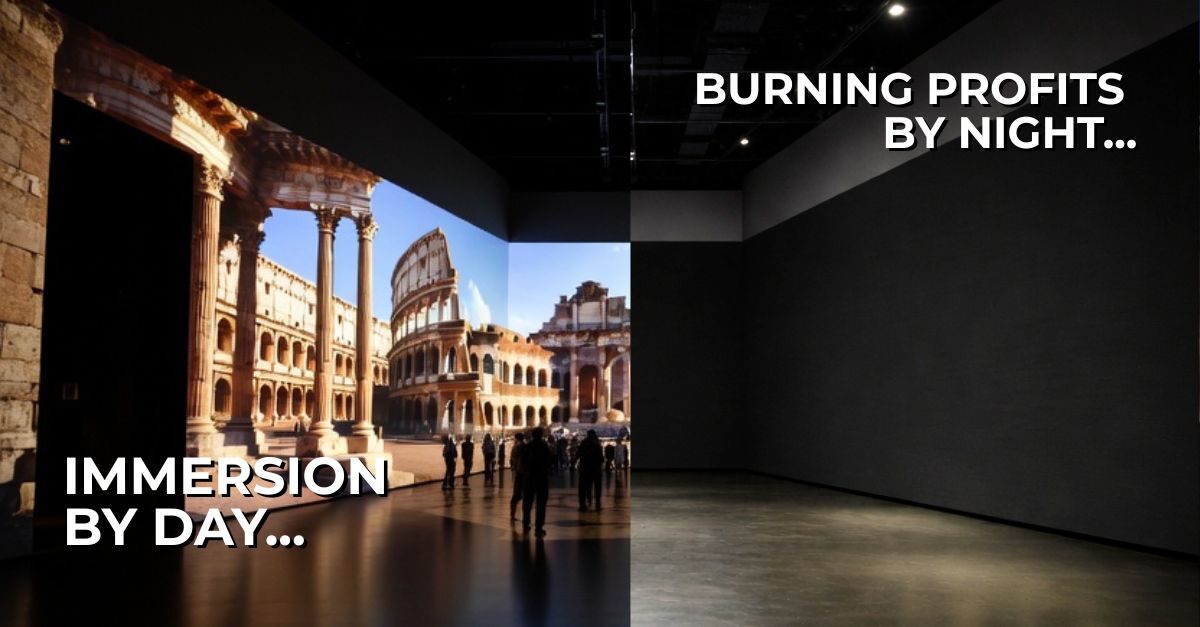
A black screen is not the same as a screen that’s actually off. Many large displays still draw up to 18% of their maximum power even when showing nothing. On a big installation, that adds up to serious money night after night. Industry-first solutions like digiLED ZEUS® change the game by safely powering the entire screen down to zero standby and bringing it back online when needed. The energy and cost savings can be substantial – in some cases enough to cover the price of a new system by the end of its 10-year life, not to mention the thousands of kWh saved.
Giant immersive screens are construction projects, not just AV
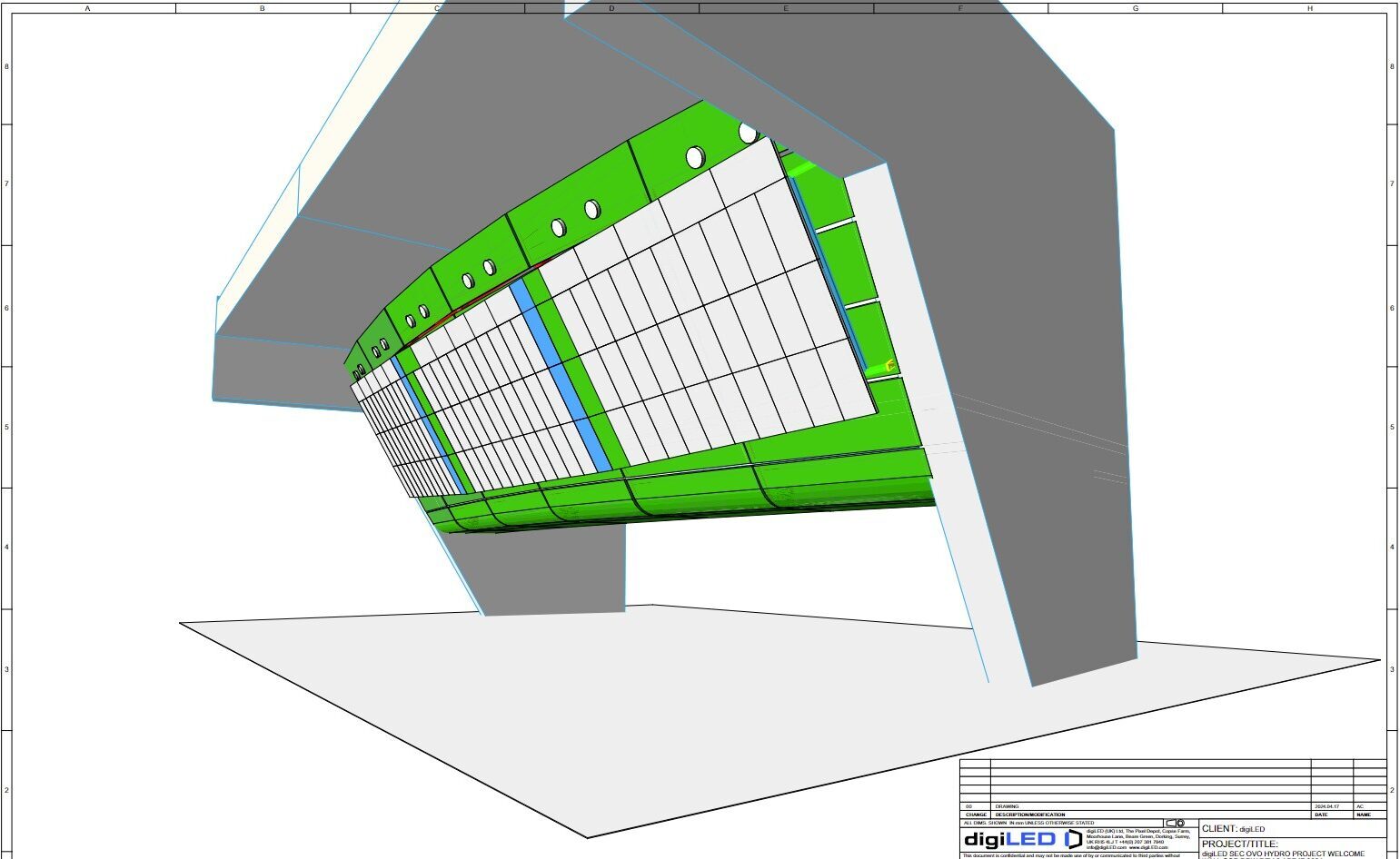
Mass-produced LED panels work fine for standard applications, but truly ambitious immersive spaces demand proper engineering, construction knowledge and project management. Choose a supplier with real experience in complex bespoke installations – whether it’s a stadium, arena or one-off experiential space. That expertise lets them work seamlessly with your wider team to deliver screens that integrate smoothly into the overall project.
Cheap LED screens means cheap components
Just like clothing, white goods or any other service, if the price looks too good to be true, someone is still protecting their margin. The first thing that usually suffers is quality and reliability. Cutting corners on components might save money upfront, but it almost always leads to higher maintenance, shorter lifespan and disappointing performance over time. In immersive spaces where downtime matters, that initial saving can quickly turn into an expensive mistake.
The LED Screen Experts – here to help
The use of LED screen technology has quickly become the go-to choice for immersive and attraction design – a sector once dominated by projection. With more manufacturers than ever before all pushing similar products, it’s increasingly difficult to cut through the noise. Too often, end users are left dealing with the fallout from poor decisions.
That’s where experienced LED screen specialists make the difference. If you’re working on an immersive project and have any questions about pixel pitch, durability, heat management, power saving or integration, feel free to get in touch. We’re happy to help.
👉 Check out some more pages that might be of interest:
1. digiLED ZEUS – ZERO wasted LED screen power for immersive spaces: https://www.digiled.com/bespoke-led-screens-for-immersive-experiences-attractions/
2. Our creative product range, perfect for immersive, attractions & brand activations: https://www.digiled.com/creative-led-screens/
3. Our global LED screen services: https://www.digiled.com/our-global-led-screen-services/
4. Our global project portfolio : https://www.digiled.com/portfolio/
5. Immersive SeaWorld: https://vimeo.com/1140346911?fl=tl&fe=ec